Anthropic: Chris Olah Calls on the Church to Become a Moral Voice in AI Development
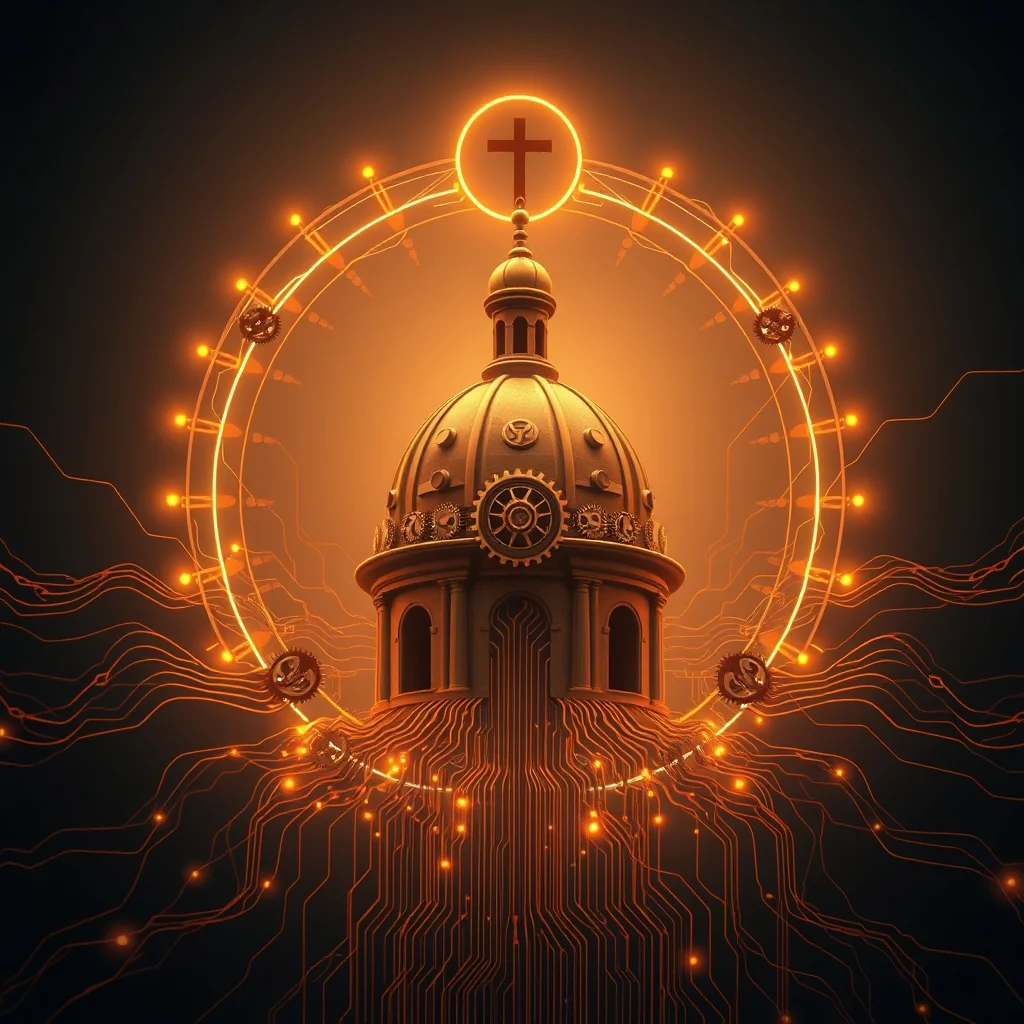
Chris Olah, co-founder of Anthropic, addressed the public with a comment on Pope Leo XIV's papal encyclical 'Magnifica humanitas' on artificial intelligence. Olah called on religious institutions to play an active role in governing AI development, as commercial pressures impede ethical decisions at AI laboratories.
This article was generated using artificial intelligence from primary sources.
What Did Chris Olah Say Regarding the Vatican?
Chris Olah, co-founder of Anthropic and one of the leading researchers in AI model interpretability, published a comment on May 25, 2026, on the papal encyclical “Magnifica humanitas: On the Protection of the Human Person in the Age of Artificial Intelligence” by Pope Leo XIV. Olah’s text describes AI models not as engineering constructs like bridges, but as systems that are “grown” on structures modeled after the brain, using human language and thought — which makes them mysterious and subtle.
Olah compared the process of creating AI models to “bringing a fictional character to life,” emphasizing how fundamentally different this technology is from anything previously created.
What Are the Three Topics on Which Olah Calls for Engagement?
Olah identified three key areas where religious institutions and broader society must contribute:
- Global justice — addressing questions of job displacement and ensuring that AI benefits reach both developed and developing nations
- Human flourishing — defining what prosperity means for individuals and families in an era of technological change
- The nature of AI systems — deliberating on the significance of AI models’ internal structures that reflect human neuroscience, including emotion-like states
Why Do AI Laboratories Need External Moral Voices?
Olah’s central thesis is that frontier AI companies — including Anthropic — operate under commercial, geopolitical, and personal pressures that can conflict with acting rightly. AI laboratories cannot be sufficient moral judges of themselves on questions that affect all of humanity.
Olah called for “moral voices that incentives cannot bend” — institutions sufficiently independent from market forces to articulate what is good for people, not merely what is profitable or technically possible. The Church, with its rich tradition of ethics and global reach, can, in Olah’s view, be such a voice.
Anthropic’s public engagement with the papal document is a signal of a broader trend: leading AI laboratories are increasingly openly seeking legitimization and collaboration with institutions that hold authority outside the technological sphere.
Frequently Asked Questions
- What is the encyclical 'Magnifica humanitas' and what does it address?
- Magnifica humanitas is a papal encyclical by Pope Leo XIV addressing the protection of the human person in the age of artificial intelligence, published in May 2026 from the Vatican.
- Why does Chris Olah believe the Church should participate in AI development?
- Olah argues that AI laboratories operate under commercial, geopolitical, and personal pressures that can undermine ethical decisions, and that independent moral voices outside these systems are necessary.
- On which three topics does Olah call on the Church to engage?
- Olah calls for engagement in three areas: global justice (distribution of AI benefits), human flourishing (prosperity in the age of AI), and the nature of AI systems (ethical status of AI models).
📬 AI news in your inbox
A daily digest built your way — pick topics, sources and cadence. One-click unsubscribe.
Related news
Anthropic: CAD 10 million for Canadian AI and data on Claude usage in Canada
Google DeepMind: ATL Saathi — Gemini tool for Indian teachers targets 11 million students
arXiv:2607.07779: Terence Tao among authors of paper on limits of large language models in frontier mathematics