Anthropic: $200M Partnership with Gates Foundation for AI in Global Health, K-12 Education, and Economic Mobility
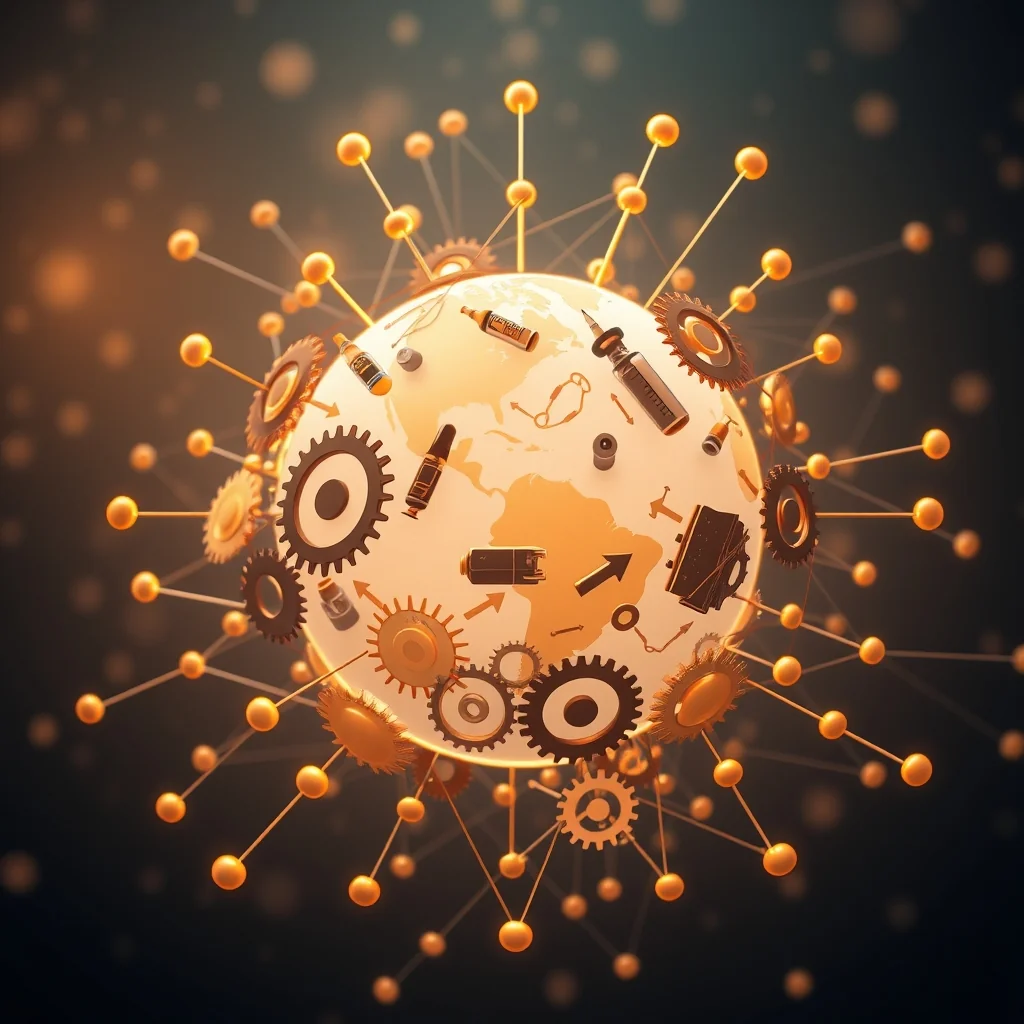
Anthropic + Gates Foundation Global Initiative is a new philanthropy program announced on May 14, 2026, with a $200M investment over four years in grant funding, Claude usage credits, and technical support. Three focus areas: global health and life sciences (vaccines, neglected diseases, Institute for Disease Modeling), K-12 education in the US, sub-Saharan Africa, and India through the GAILA alliance, and economic mobility for smallholder farmers.
This article was generated using artificial intelligence from primary sources.
Anthropic and the Bill & Melinda Gates Foundation announced on May 14, 2026, a partnership valued at $200 million over four years targeting low- and middle-income markets where traditional market mechanisms do not function effectively. The investment is distributed across three channels: grant funding, Claude usage credits, and technical support from the Anthropic engineering team.
What does the partnership cover in global health?
The largest component targets health outcomes in countries where approximately 4.6 billion people lack access to essential services. Specific programs include vaccine and therapy development, health data analytics for government decision-making, and research into neglected diseases — polio, HPV, and eclampsia/preeclampsia. Integration with the Institute for Disease Modeling improves malaria and tuberculosis forecasting to optimize therapy deployment in field conditions.
How does the program address education?
The second pillar is the collaborative development of educational tools for K-12 students in the US, sub-Saharan Africa, and India. Public goods produced by the program — benchmarks, datasets, knowledge graphs — support math tutoring, college advising, and curriculum design. The first public release is scheduled for later in 2026. Anthropic is working with partners through the Global AI for Learning Alliance (GAILA) organization.
What does the economic mobility program include?
The third category has two geographic arms. The global arm targets agricultural productivity for smallholder farmers — nearly two billion people working on small plots. The US arm includes portable skill and certification records, career guidance tools, and systems for measuring employment outcomes. The goal is to facilitate worker transitions through the labor market without losing credentials or business connections.
How is the program being implemented?
Anthropic and the Gates Foundation work through a network of global implementation partners with existing experience in Gates Foundation programs. The Gates Foundation brings “decades of experience and a track record of measurable impact” — suggesting Anthropic primarily contributes AI technology and compute capacity, while the Gates Foundation orchestrates local deployment.
This approach positions Anthropic as the first frontier AI lab to explicitly target non-commercial AI deployment in the global development sector as a strategic priority — a complement to OpenAI Codex Mobile, GitHub Copilot Cloud, and other consumer and enterprise products that dominate the recent news cycle.
Frequently Asked Questions
- What does the $200M cover in the Anthropic-Gates partnership?
- The investment is distributed across grant funding, Claude usage credits, and technical support over four years; the focus is on low- and middle-income markets where approximately 4.6 billion people lack access to essential services.
- Which specific diseases does the partnership target?
- The neglected disease research program includes polio, HPV, and eclampsia/preeclampsia, while the integration with the Institute for Disease Modeling focuses on improved forecasting of malaria and tuberculosis to optimize therapy deployment.
📬 AI news in your inbox
A daily digest built your way — pick topics, sources and cadence. One-click unsubscribe.